
Making Theater More Accessible

The theater industry has been suffering since the pandemic. It’s not a secret. But there are a few ways that I, personally, feel that theaters should consider that they can help themselves by making theater more accessible.
Accessibility is a word that can mean a lot things to a lot of different people. Having theater be accessible is across script content, physical accessibility, linguistic accessibility, financial accessibility and location, to name a few.
Language Accessibility
Many years ago, I was working for the Theatre Development Fund’s Education Department. My job was to bring a theater newsletter, written by students and for students, to teachers throughout the city to convince them to use it as a teaching tool in their classroom. So, for example, the history teacher who could talk about “1776” in their classroom and then take the kids to see it.
However, what I learned through my two seasons working for TDF was that there were additional barriers that we hadn’t thought of: languages and location. Many of the students didn’t speak the languages that Manhattan theater was presenting in. Additionally, it was very challenging for the teachers to bring the students into Manhattan. I went back to TDF and gave them the feedback that we needed to list plays that were presenting in Chinese, Spanish and Russian in outer boroughs (as well as Manhattan) and they began to do so.
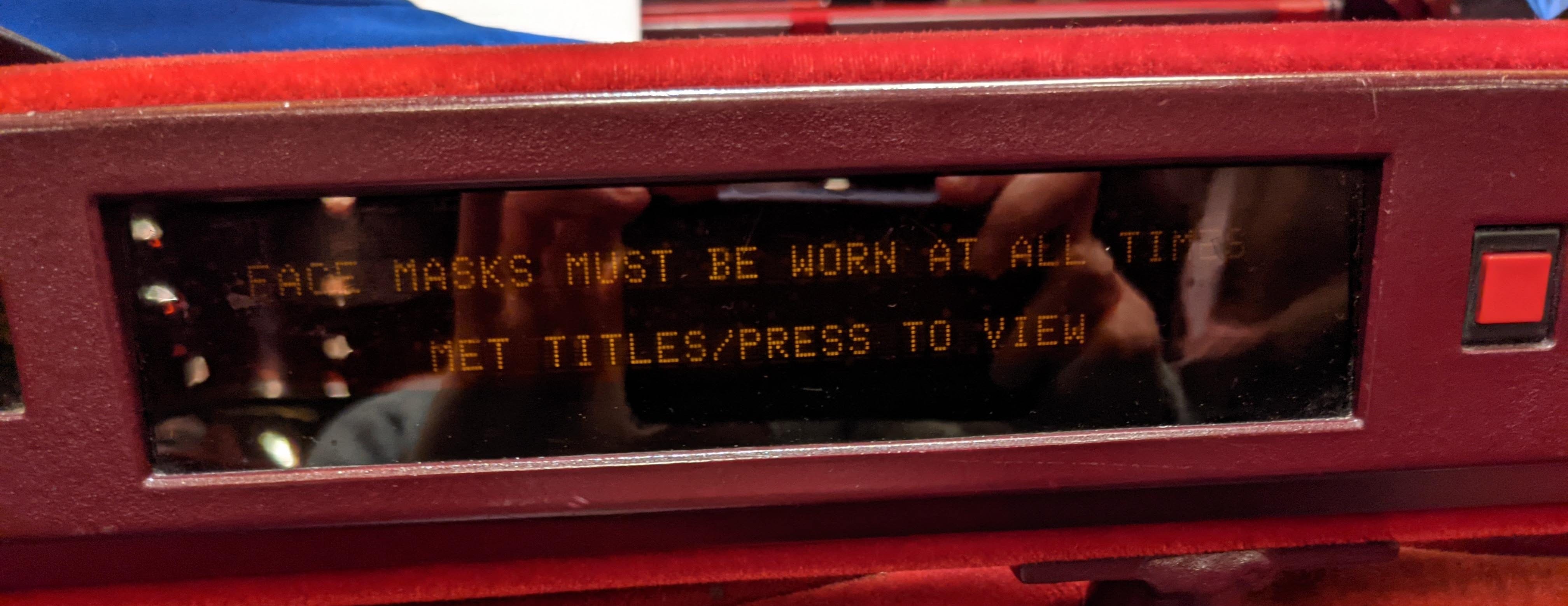
Several years ago, post-pandemic, I went to see Sarah Ruhl’s opera “Eurydice” at the Metropolitan Opera. Directly in front of every seat was a translator. Why on earth had the theater industry not adapted this? It was right there! It meant that everyone could know what was going on! New York City, who prided itself on being able to serve so many tourists, was actively making its gems inaccessible. Why do tourists always go to see musicals? Maybe because they don’t speak the language and it’s easier to hear music.
For Deaf patrons, making sure that there is interpretation or captioning at a performance is important but it doesn’t happen at every performance. And why not? What if Deaf patrons cannot attend on the one or two nights that there is an interpreter? Inclusivity is another word that is important, in this case. We, as a society, do not consider who has what capabilities on a regular basis. I have friends in the Deaf and hard of hearing community who have talked with me at great length about their frustrations with the hearing centered approach to most things theater-related.
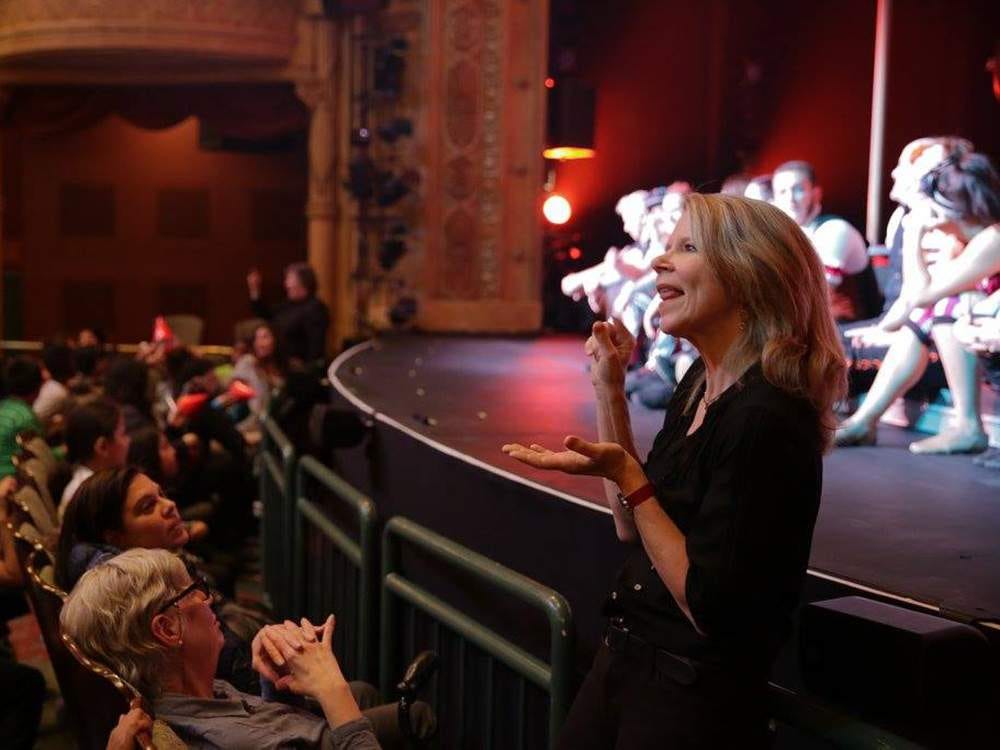
I think about language accessibility now as I am preparing for a trip to a foreign country where I do not know the language. I’d like to see theater when I am there. Will there be translators at my seat that will ensure that I know what’s being said? It seems doubtful.
Script Content Accessibility
So, if you’ve been reading this Substack for a while, you know I’m a playwright. Script content accessibility is important in order to attract new audiences and to maintain the interest of current audiences. Those types of audiences are likely to be vastly different and will inevitably effect theater programming in opposite directions.
For years, it has been well-known among those who study the demographics of people who attend theater that the most likely demographic is women over the age of fifty. You would think it would be curious, then, why there are not more female playwrights above the age of fifty gracing the stages. But, not really. Don’t worry, the post on gender parity is still forthcoming. Students and young adults attend certain types of shows but they have been falling off in attendance in recent decades with the power of handheld technology. There are so many audience gaps in between that the scripts need to start calling them back to theater.
The theater industry will always have the die-hard musicals fans who love the 50’s musicals, adore the new musicals and will watch musical TV shows like Glee, Schmigadoon, Smash (and all the extra ones that musicals fans are thinking of in their heads that I’m not naming). And while I am a huge fan of musicals, I am aware of those audiences for whom this is not palatable.
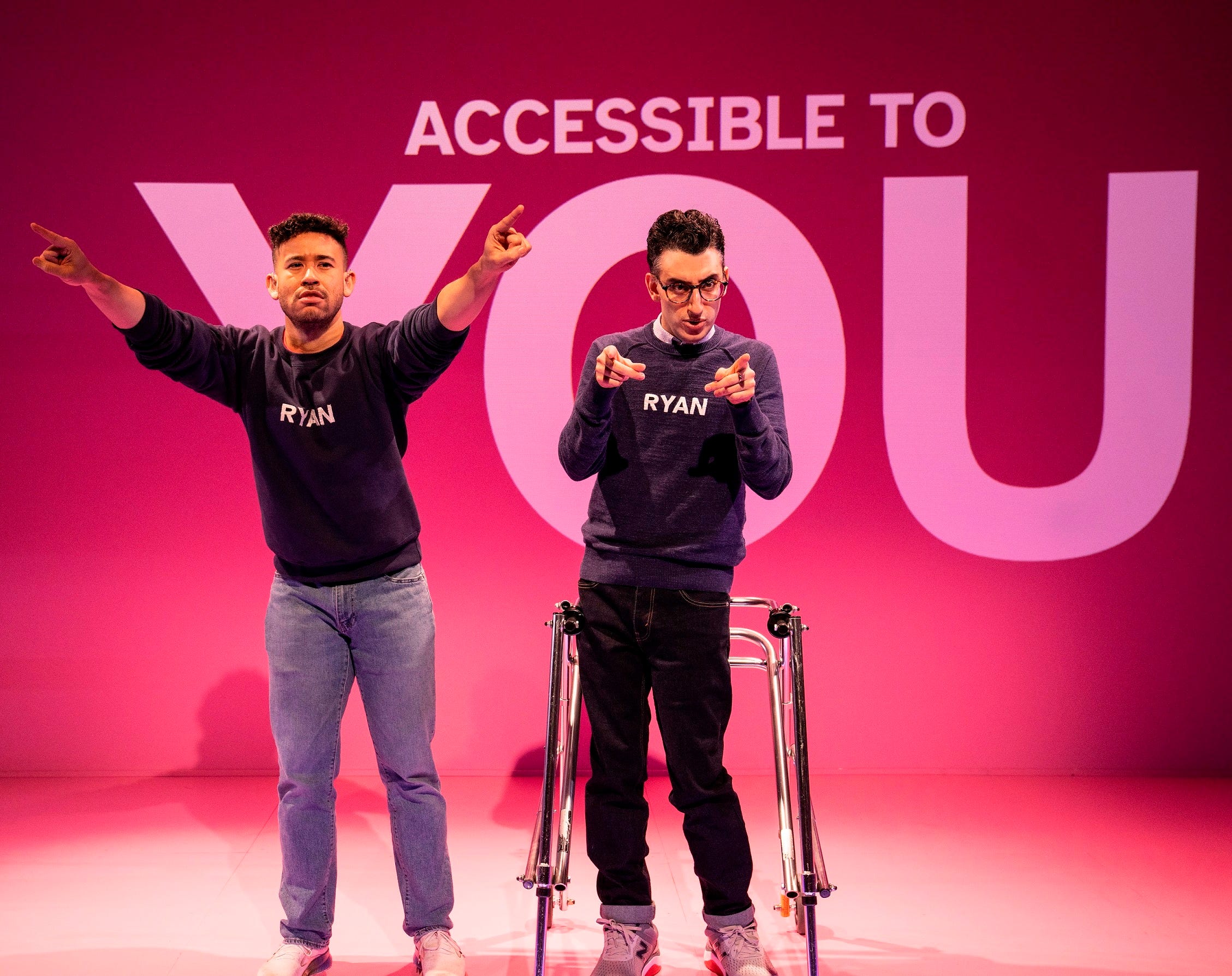
There needs to, therefore, be room for plays that are not musicals on bigger stages. And the content has to be challenging and interesting to audiences. I have found, in the past several years, that scripts written by playwrights of global majority backgrounds draws audiences of similar backgrounds. This was also true when Ryan Haddad had his play “Dark Disabled Stories” at the Public Theatre in New York City which encouraged and created additional spaces and accommodations for audiences with disabilities. There was live captioning and a space set aside for people who needed it to be quieter or who needed to move about physically. This was in collaboration with Haddad educating the Public on how to be truly disability sensitive.
And I’m going to say this once: Shakespeare was a great playwright; I’m not disputing it. But there’s been a lot of great playwrights since then and we might give some of them a turn. Elizabethan English isn’t always the most accessible to the next generations.
Why Hamilton Broke Multiple Ceilings
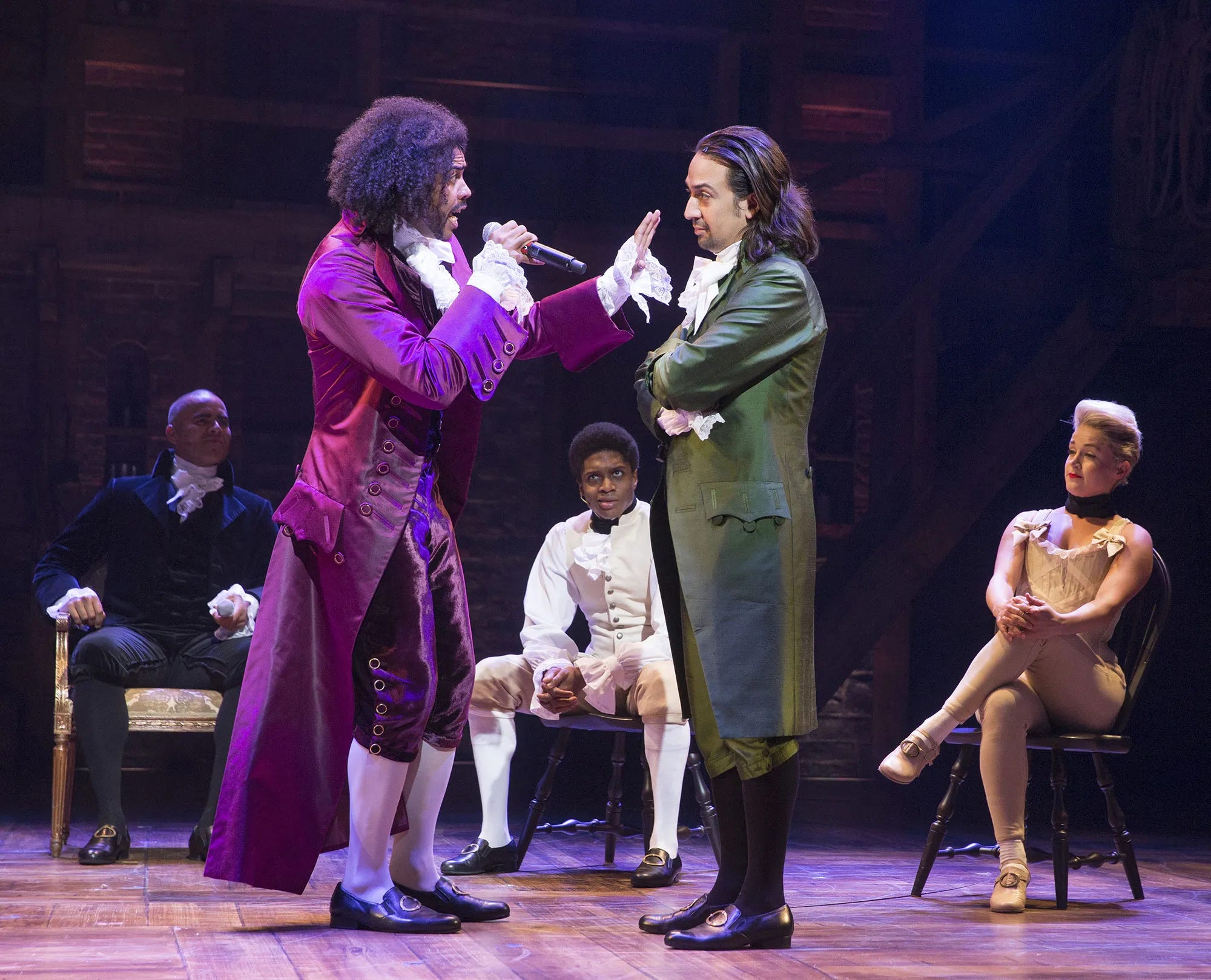
I was recently in a conversation with a friend of mine discussing why it was that Lin-Manuel Miranda’s “Hamilton” broke so many ceilings and what it did for the industry. In addition to providing opportunities for many global majority actors and encouraging many global majority audiences to come out in support of this blockbuster initiative, Miranda’s concept around using rap instead of traditional Broadway song made it more relatable to new generations of audiences. How many kids have grown up knowing the lyrics to “Hamilton” because they are into rap? Simultaneously, how many Broadway kids (and adults) learned about rap because they were into “Hamilton”?
If Miranda was only doing these things, the script and production would have been an epic fail but it was well-written, well-acted, had dynamic characters and sets and it was semi-biographical for the country which became a common bonding thread through the audiences that attended it.
Physical Accessibility
I honestly don’t know where to start with this one. It seems like the most obvious conversation and yet theaters do not make their theaters accessible. The United States law called the Americans with Disabilities Act for Accessible Design was passed in 1991. In it, it states that any building constructed or renovated must remove architectural barriers when construction is occurring. Theaters have chosen to avoid renovations for as long as possible. Seating for people with wheelchairs is often available in the back of the theater and, occasionally, there might be an elevator to a bathroom.
For those individuals, like myself, who do not require a wheelchair but who have trouble sitting in tight seating for long periods of time and are found doing partial lunges at the intermission (if there even is one) just to keep from locking my back up still wonder if the audience services departments and the facilities maintenance departments have conversations to ensure the comfort of their patrons. My experiences lead me to answer my own question with “Probably not.”
The pandemic started offering other options for people who wanted to participate in theater but were homebound: streaming. I don’t know the data on how many people purchase and use streaming options for theater. I know that I, myself, have recently watched the opera of “Omar” by Rhiannon Giddens and Michael Abels which was being livestreamed from Cleveland’s Maltz Performing Arts Center and I have, similarly, watched livestreamed performances from Huntington Stage and the National Theatre. But I do not find it as satisfying, personally, as being able to be in-person.
While livestreaming was initially a band-aid approach during the pandemic and continued to be one as theaters lost their physical spaces, it has broadened the reach of theaters to patrons beyond local and physical limitations.
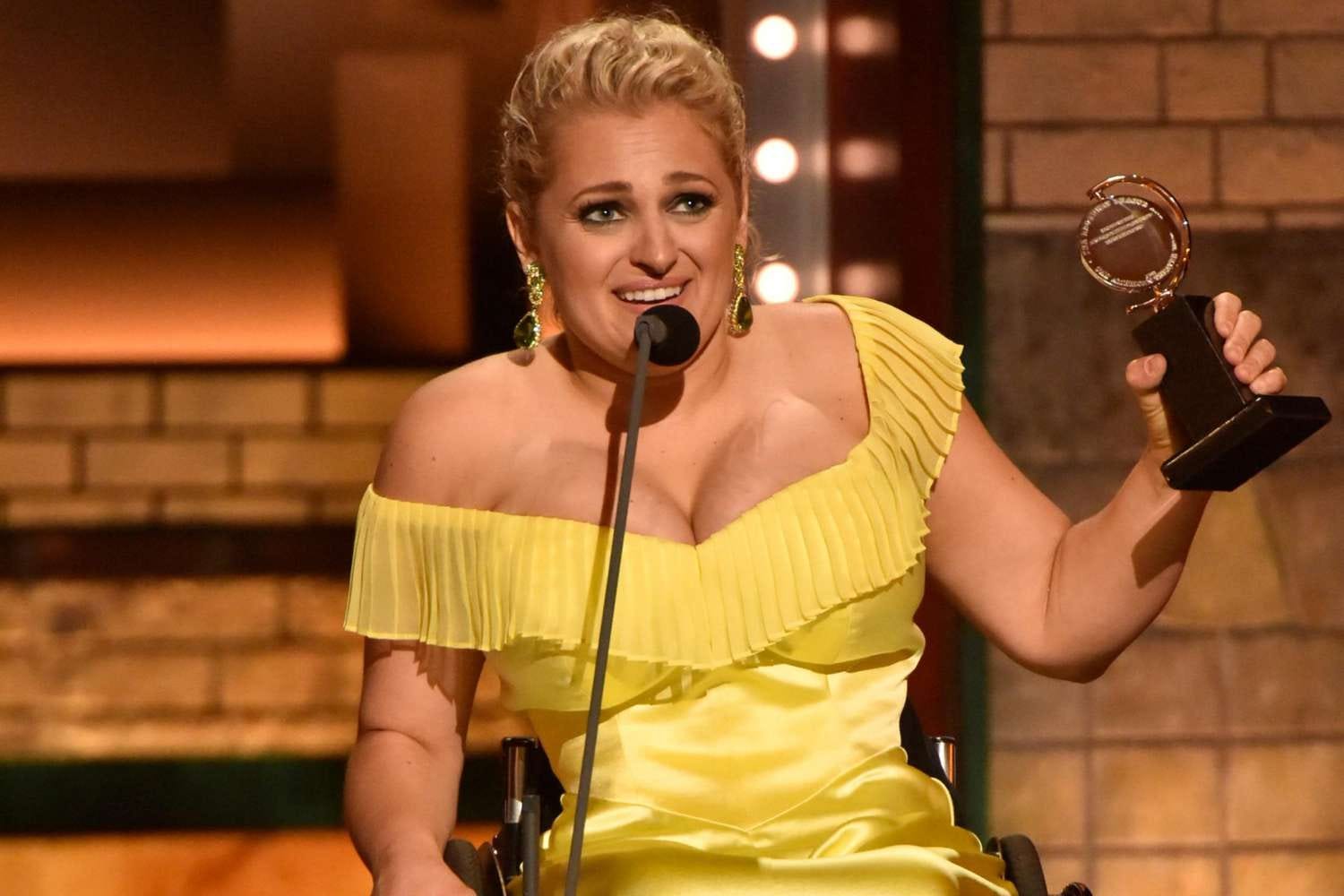
Beyond physical accessibility for patrons, there is physical accessibility for production teams. Ali Stroker, who won Best Featured Actress at the Tony Awards in 2019 for her role in “Oklahoma!” was the first wheelchair user on the Broadway stage. While she was honored for her work, the Tony Awards did a less than stellar job providing access to her during the ceremony, requiring her to wait backstage rather than be in the audience with the other nominees for the awards that she was nominated for that night, including Best Musical. There was no ramp from the audience to the stage. At the greatest moment of her career, Stroker still had access issues within her industry.
Financial Accessibility
Being in the theater industry, I get it that a theater company needs to pay for everything. I understand what budgets look like. But it is also because I have a budget. And I, as a theater patron, only have so much money that I can spend on theater per year. So when the theater industry, my beloved theater industry whom I have taken to task in this Substack, yanks the prices exorbitantly to price points that only certain people can pay, it is disappointing.
Theater should be available to people of all economic backgrounds or it will surely become so elitist that it will cease to exist.
Sure, there are the apps and there’s TDF. There are rush tickets. But even those don’t fully bring the price down. A lottery? Maybe. But you need to be well-educated on how to make it work and you have to spent an inordinate amount of time babysitting your app.
How Do You Solve A Problem Like Access?
So I turn to funders now, knowing that some of these conversations are also with you. Investing in theater is crucial to the survival of this industry. It will allow for theaters to invest in their physical space, expand their creative capabilities, provide cheaper tickets to their patrons, and provide translation.
Stories are one of the most important things keeping our humanity alive. It is how we learn from one another; it is how we learn from our past. Those stories acted out upon the stage can communicate feelings we did not know we had, help us reconcile with experiences we did not want to face and demonstrate opposite points of view from those of our own.
All of our society…ALL of our society…needs theater. And it needs to be accessible and inclusive.
What I’ve Been Up to With My Writing
I have been working very hard to revise my play “Outside” for an opportunity to work with a dramaturgy class starting the first week of January. Shout out to the actors who did a progress read for me at the last minute on Monday so I could make my deadline!
I have two more things hopping in the 2025 crock pot of excitement but I can’t reveal them yet. You’ll need to stay tuned.
Thanks for continuing to read my Substack! I’ll be traveling over the next couple weeks and my posts are likely to be more sporadic. I hope you have a lovely holiday and a happy New Year!
Thanks for sharing this, Ren! It's always useful to uplift those theater companies that are making a strong effort in these areas.
National Theatre at Home is still streaming All of Us. An important play by Francesca Martinez. And The RSC is fantastic when it comes to all kinds of diversity casting! Some of the most powerful theater I've seen is Teater Manu. A Scandinavian deaf company. Here's hoping the work continues (says a woman in her 50s writing for the stage).